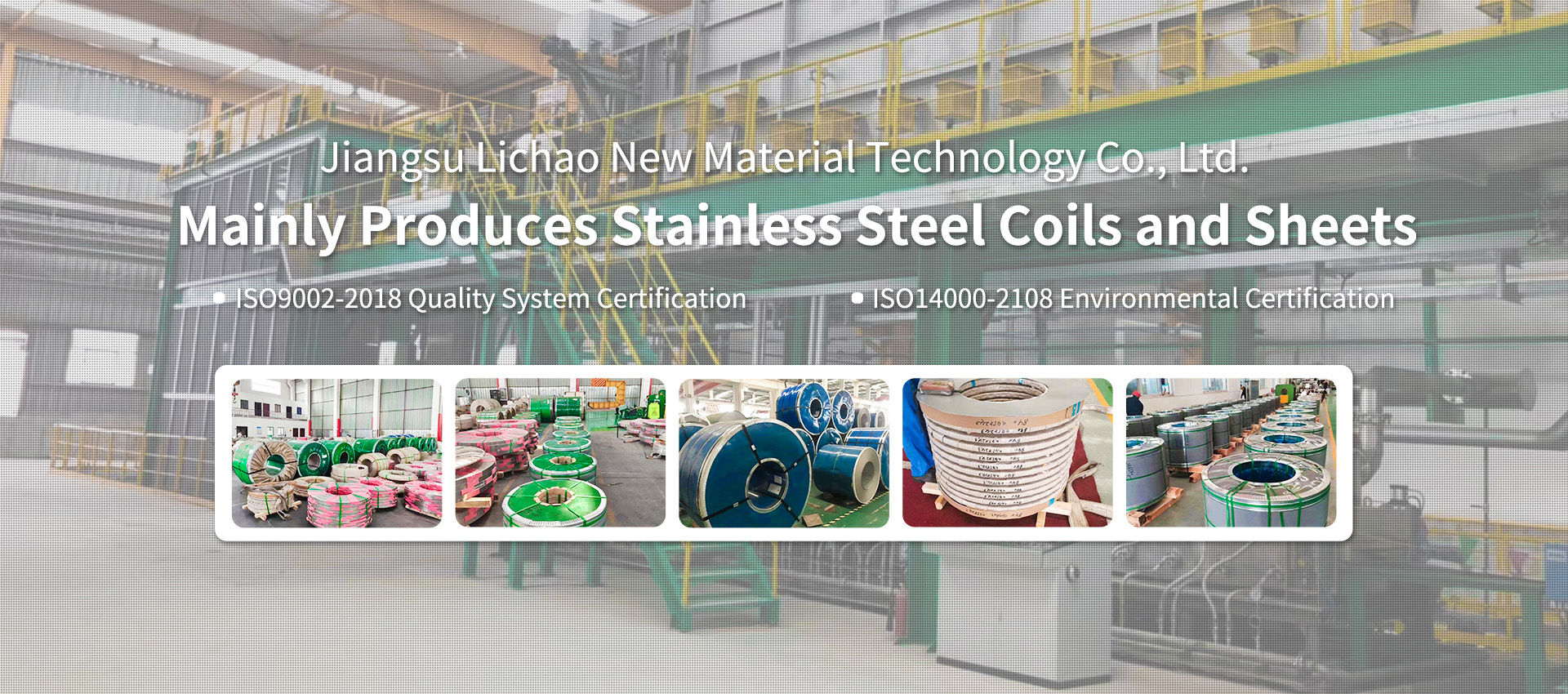
Welcome to Jiangsu Lichao New Material Technology Co., Ltd.






Intimate service comes from the recognition of customers, and proposes high-quality product matching solutions according to customer needs
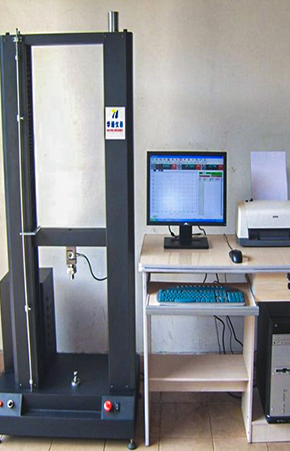
Product quality comes from rigorous and perfect quality control, and every step is full of our strict sense of responsibility

Exclusive customization comes from personalized configuration solutions, timely and efficient supporting new product development and production

Fast distribution originates from sufficient inventory + processing + fast logistics, and upholds enthusiastic and efficient management
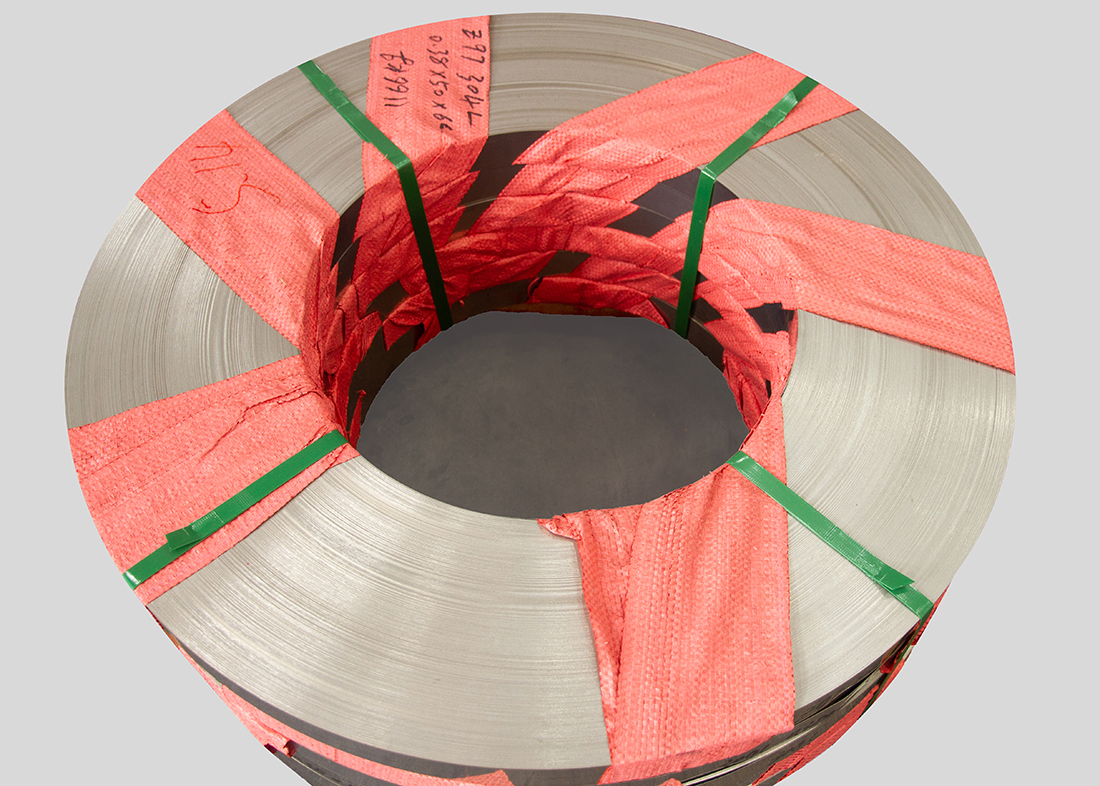
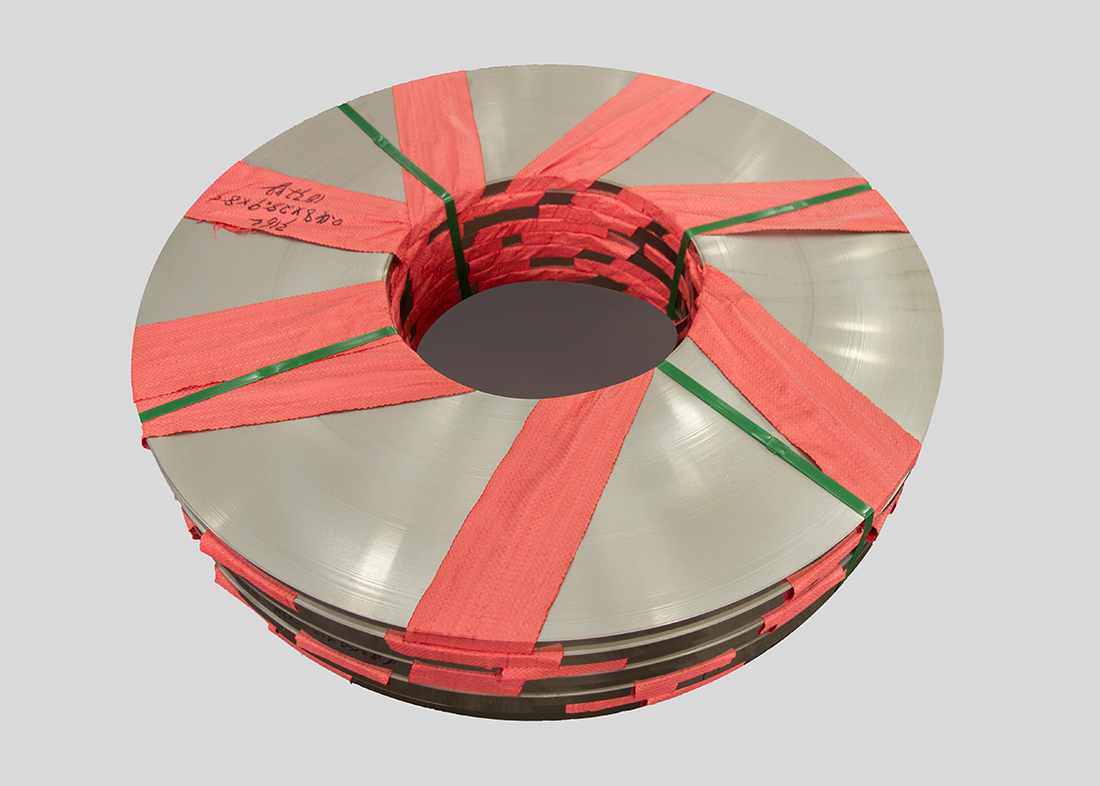
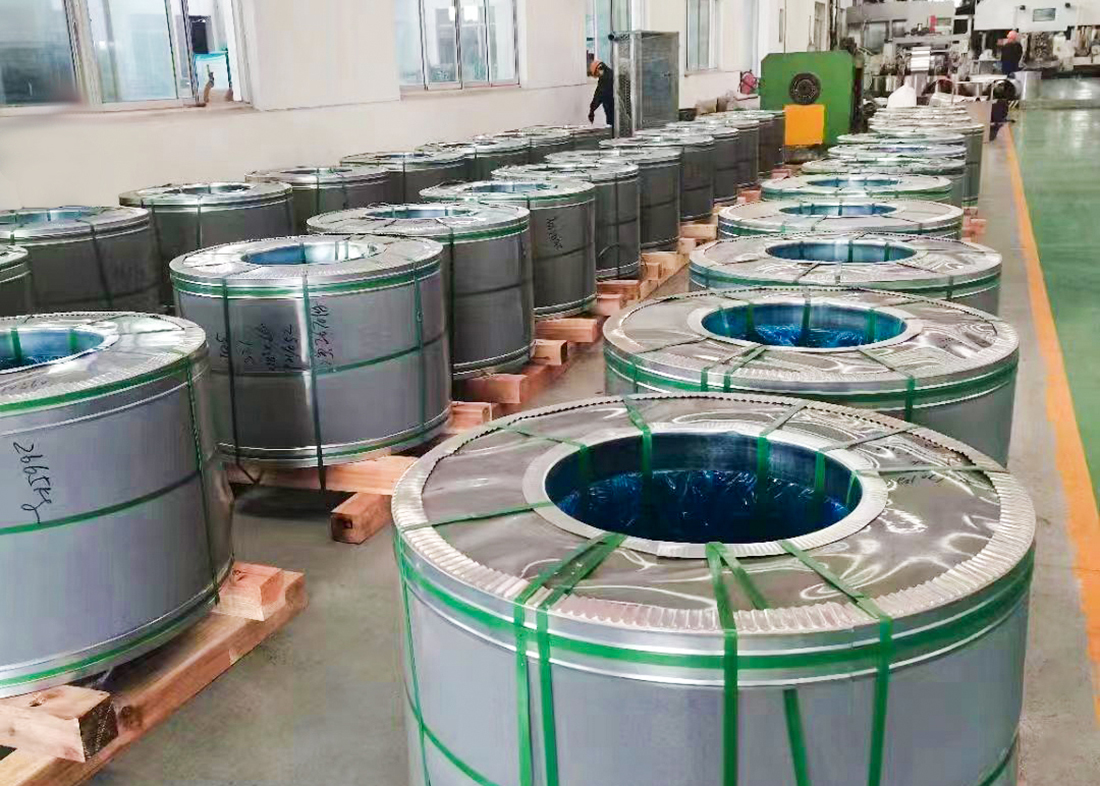
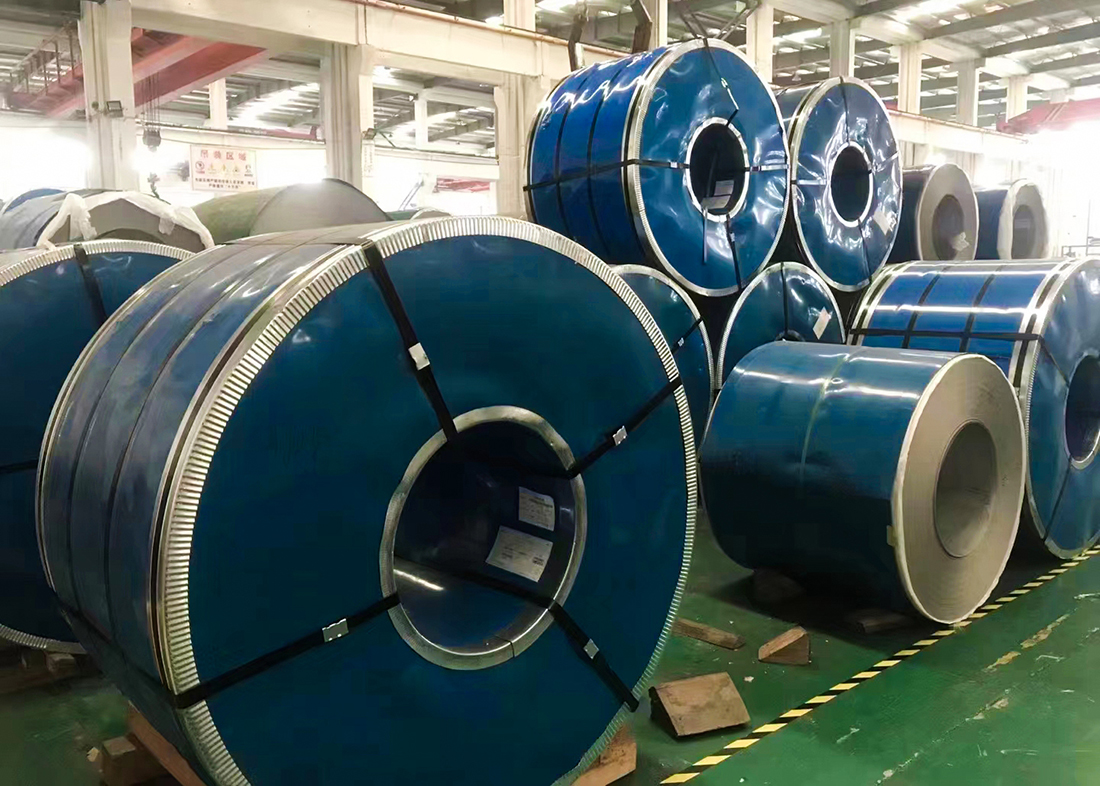
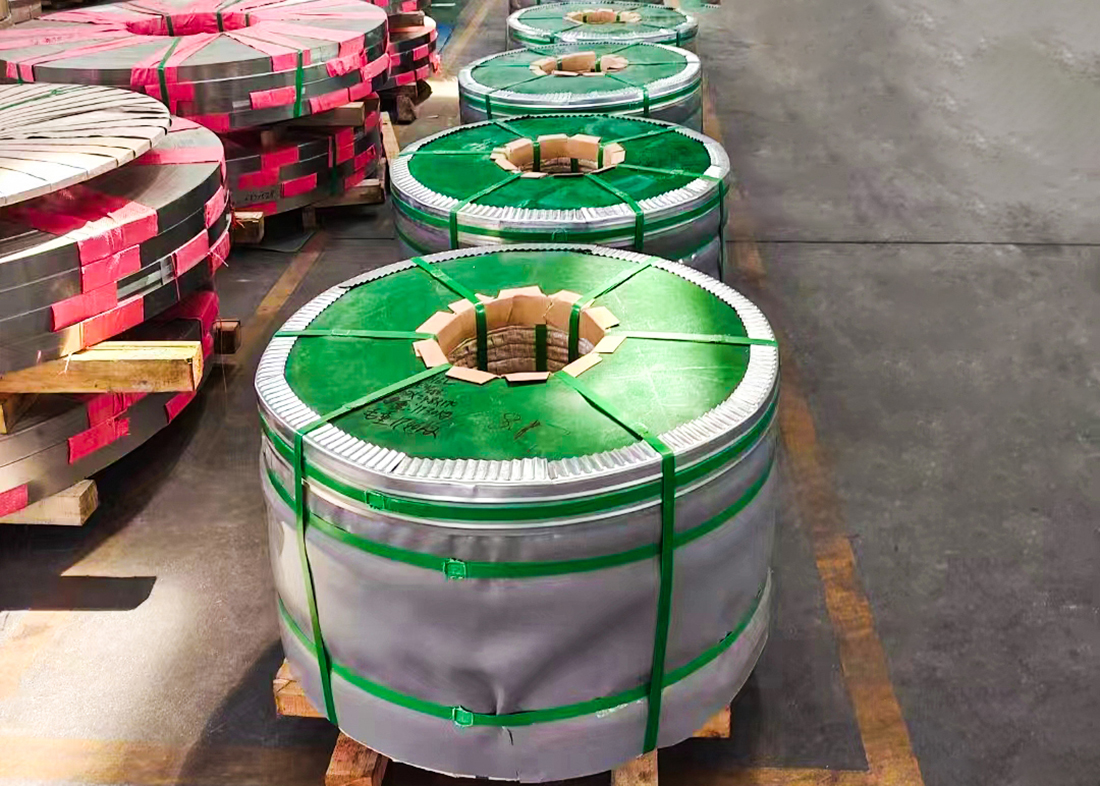

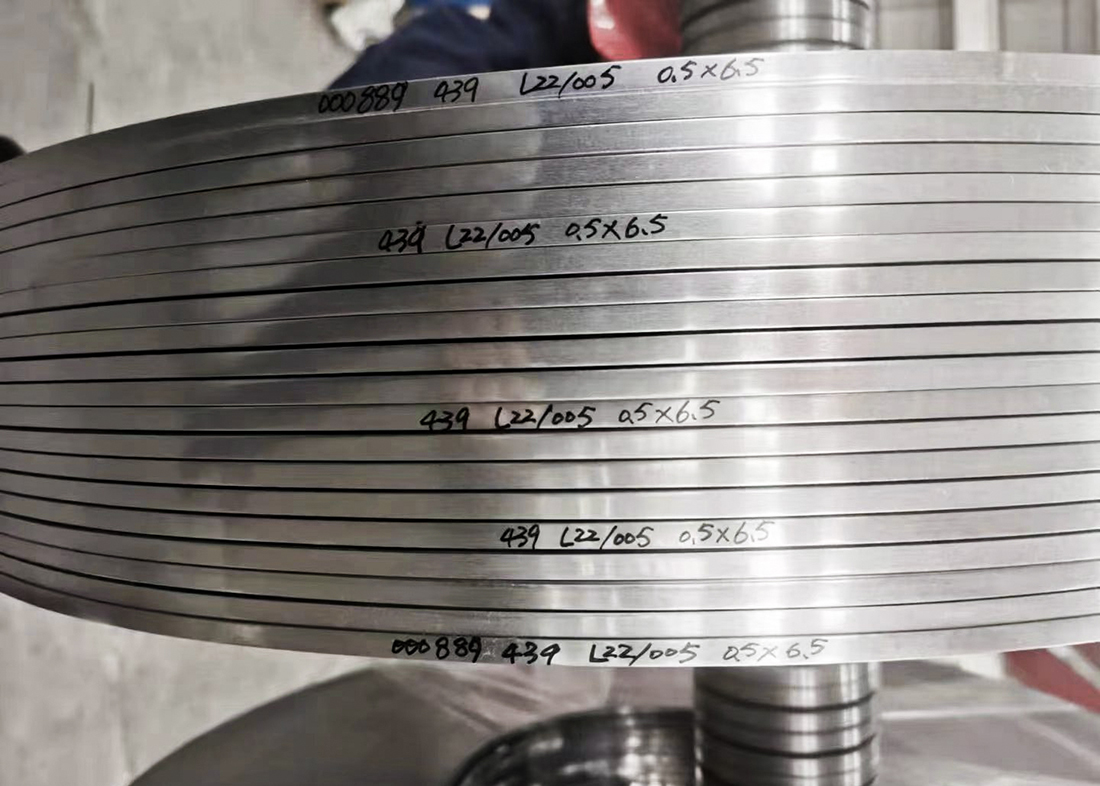
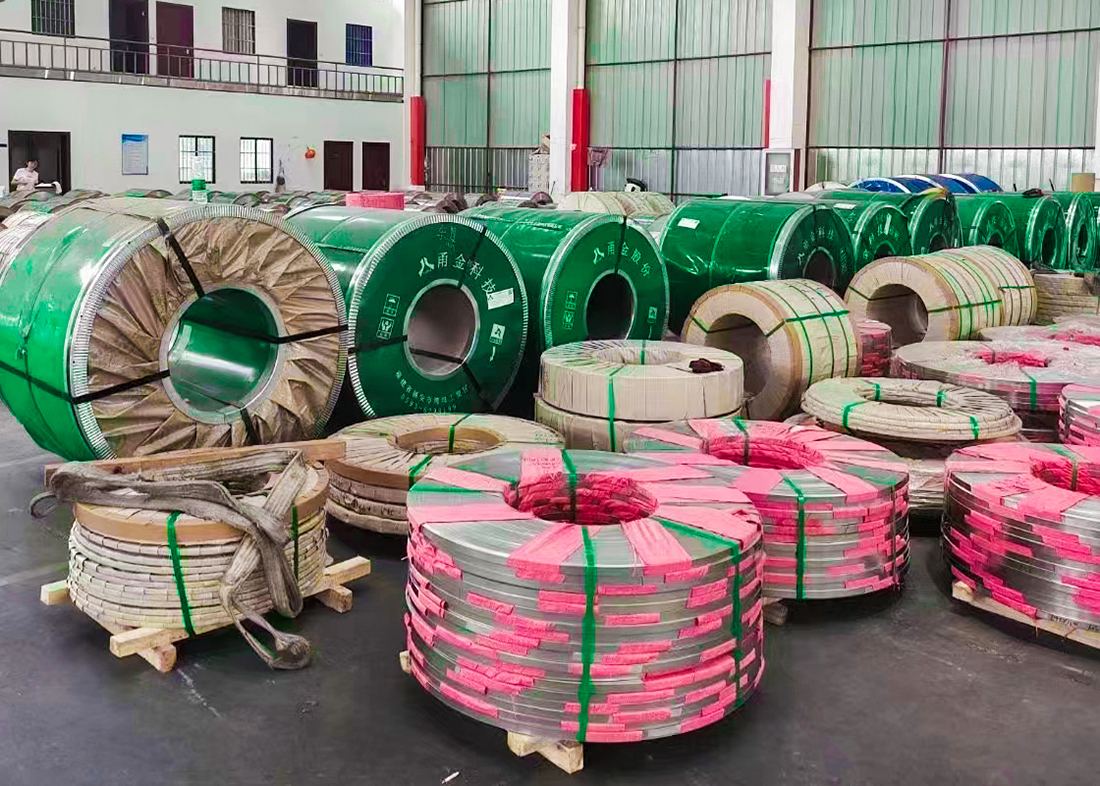
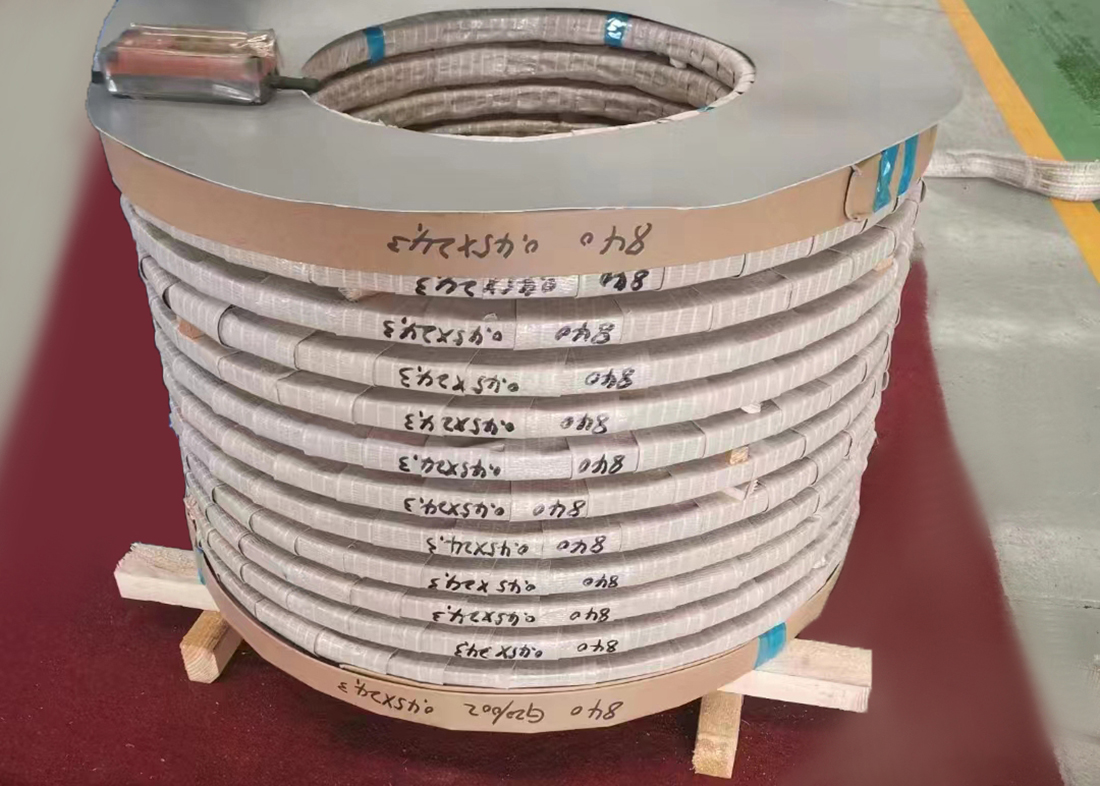







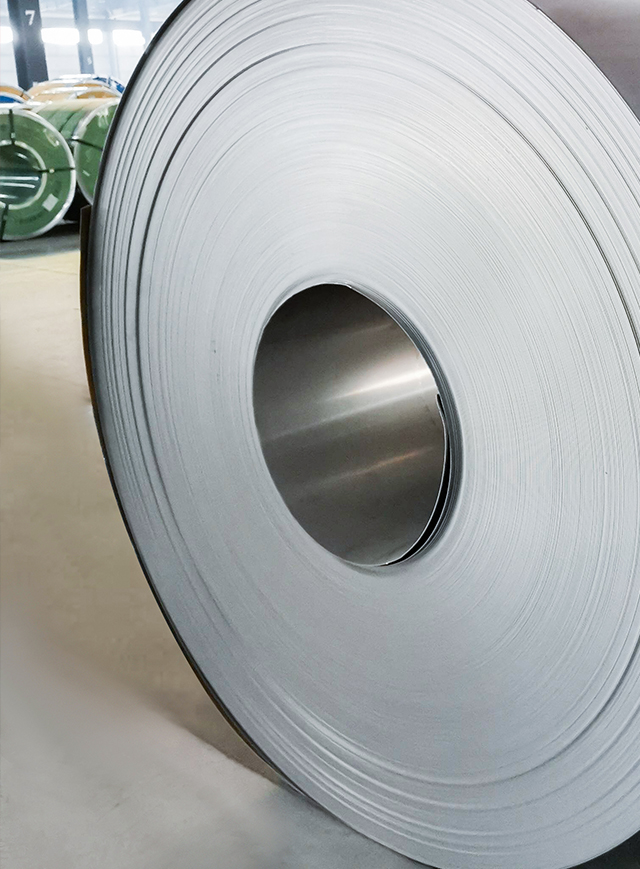
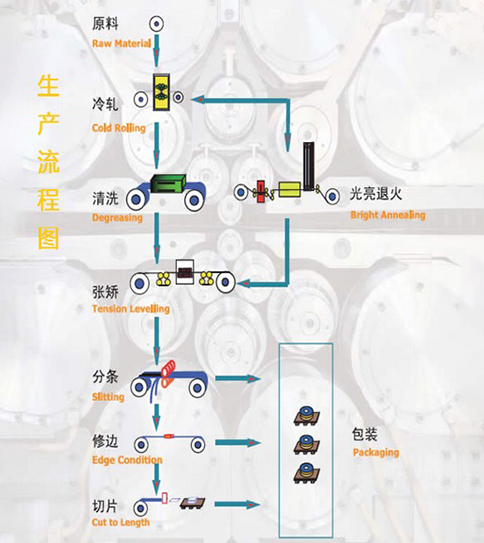
From raw material detection to warehousing registration management, to ensure the overall quality of products
From surface treatment to standard comparison
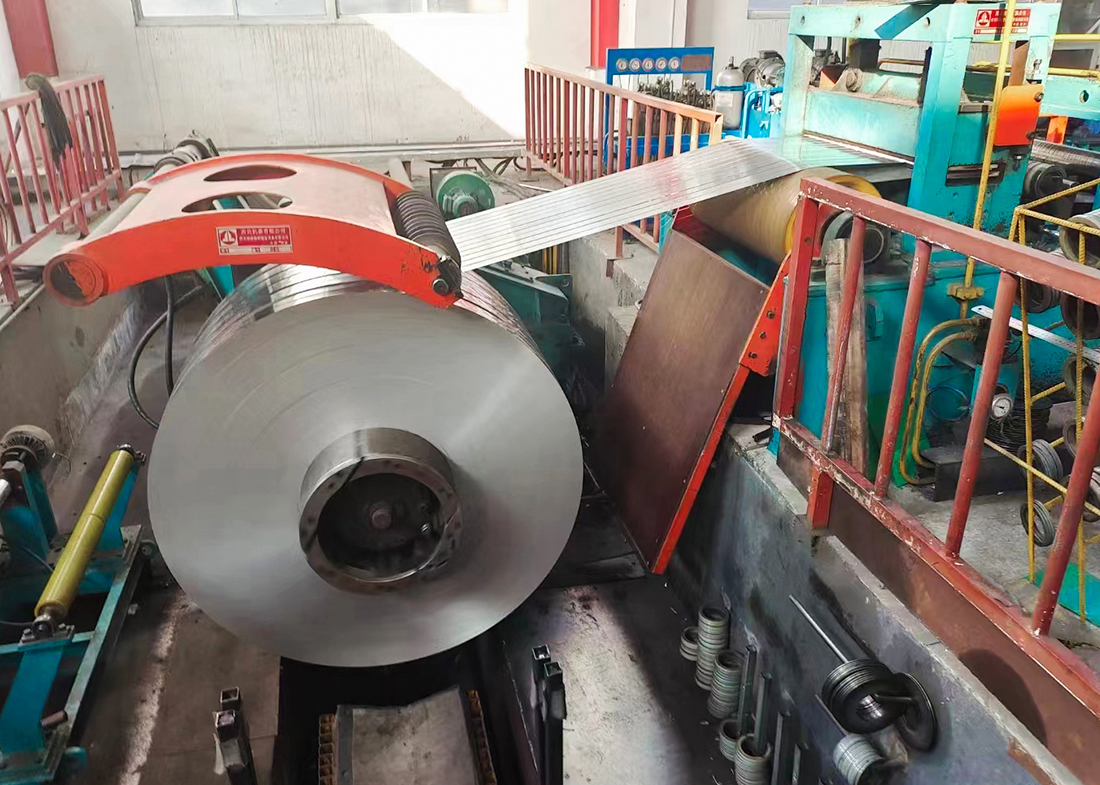
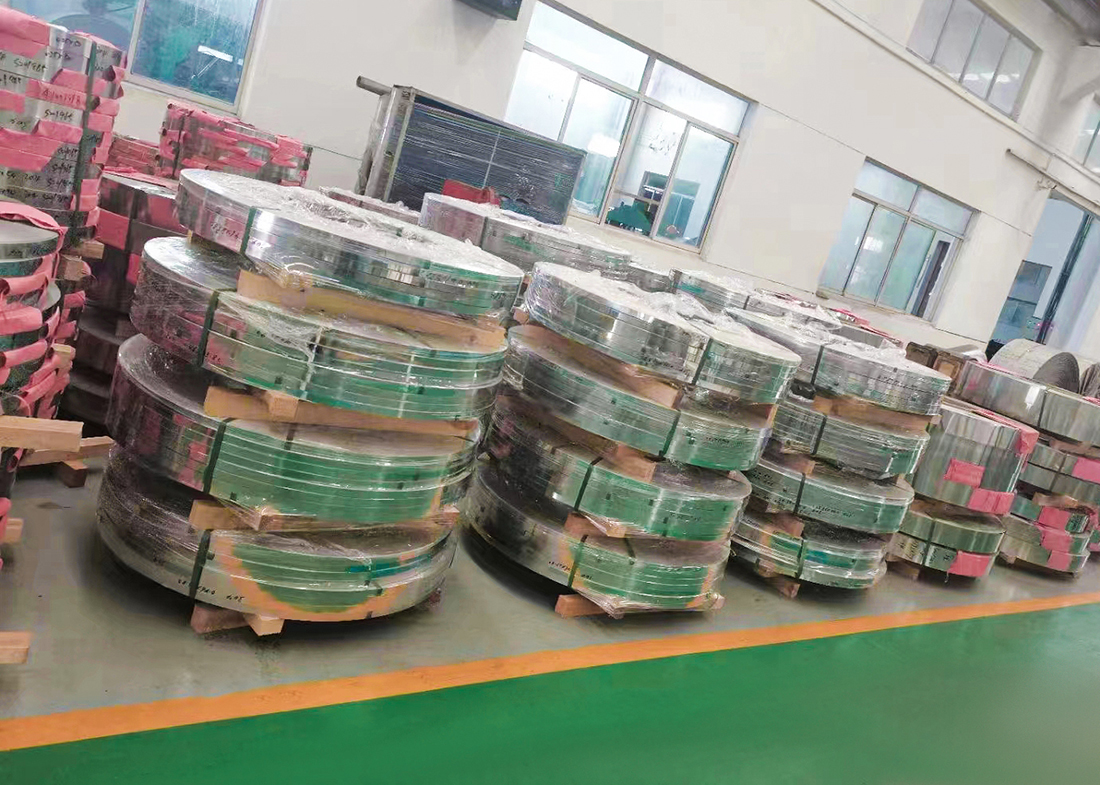
From material cutting and processing control to re-inspection, packaging and delivery
Every step is full of our strict sense of responsibility

Special material stainless steel is mainly produced with a thickness of 0.02mm-3.1mm and a width of 1mm-1500mm
Relying on the company's domestic and foreign processing equipment and logistics network throughout the country
From customer orders to fit stock screening
Then to processing, production, re-inspection and distribution

Our R&D team has established good cooperative relations with domestic and foreign steel mills
Timely and efficient cooperation with customers for product development
Combined with a Japanese-funded continuous electroplating factory, we have successfully launched gold-plated, silver-plated, nickel-plated and other electroplating products.
Products have broad market prospects and development potential

In the solid solution state before leaving the factory, the matrix of austenitic stainless steel strip is single-phase austenitic structure. Austenite belongs to the face centered cubic lattice, which is paramagnetic and exhibits non-magnetic or extremely weak magnetism at the macroscopic level. During cold working deformation processes such as cold rolling, slitting, stamping, bending, and stretc
Solid solution annealing, commonly referred to as solid solution in the industry, is a continuous heat treatment process for austenitic stainless steel coils (304, 316L, 321, 2205 duplex steel, etc.) after cold rolling; It is not the same as ordinary stress relief annealing. The core is to dissolve chromium carbide at grain boundaries into the austenite matrix at high temperatures, and then quickl
1. Mechanical properties Beneficial: Martensite is a hard phase, which, when combined with cold work hardening, increases tensile strength, hardness, yield strength, and elasticity. This is also the principle of 301 steel strip using large deformation to make spring plates and clamps.
The overall goal of stainless steel coil storage control is to stabilize the storage environment, isolate corrosive media, and avoid condensation on the surface of the plate. By relying on environmental control, isolation protection, standardized stacking, and regular inspections, the risk of floating rust caused by chloride ions and water vapor adhesion is reduced, ensuring the surface quality of
Annealing of stainless steel coils is a heat treatment process that generally changes the internal metallographic structure of the material through controlled heating, insulation, and slow cooling, in order to adjust mechanical properties and release residual internal stresses generated during the rolling process. There are corresponding differences in the effects of different annealing process se
The green spots generated during the storage and shipping of stainless steel coils are essentially chloride ions brought in by salt spray during shipping, forming a condensed water film between the layers and end faces of the steel coils, damaging the passive film of stainless steel, causing crevice corrosion and pitting corrosion, and generating chlorine containing corrosion products; Once water

Stainless steel coils are widely used in various equipment manufacturing, pipeline systems, container lining and other scenarios in the chemical industry due to their excellent corrosion resistance, high temperature resistance, strength and processability. They are the core material for dealing with complex media (such as acids, alkalis, salts, organic solvents, etc.) and harsh working conditions
1. Different production processes Stainless steel hot rolling is rolled above the recrystallization temperature of the metal material, and stainless steel cold rolling is rolled below the recrystallization temperature of the metal material, and each metal material has its own recrystallization temperature. crystallization temperature.
In the solid solution state before leaving the factory, the matrix of austenitic stainless steel strip is single-phase austenitic structure. Austenite belongs to the face centered cubic lattice, which is paramagnetic and exhibits non-magnetic or extremely weak magnetism at the macroscopic level. During cold working deformation processes such as cold rolling, slitting, stamping, bending, and stretc
Solid solution annealing, commonly referred to as solid solution in the industry, is a continuous heat treatment process for austenitic stainless steel coils (304, 316L, 321, 2205 duplex steel, etc.) after cold rolling; It is not the same as ordinary stress relief annealing. The core is to dissolve chromium carbide at grain boundaries into the austenite matrix at high temperatures, and then quickl
1. Mechanical properties Beneficial: Martensite is a hard phase, which, when combined with cold work hardening, increases tensile strength, hardness, yield strength, and elasticity. This is also the principle of 301 steel strip using large deformation to make spring plates and clamps.
The overall goal of stainless steel coil storage control is to stabilize the storage environment, isolate corrosive media, and avoid condensation on the surface of the plate. By relying on environmental control, isolation protection, standardized stacking, and regular inspections, the risk of floating rust caused by chloride ions and water vapor adhesion is reduced, ensuring the surface quality of
Annealing of stainless steel coils is a heat treatment process that generally changes the internal metallographic structure of the material through controlled heating, insulation, and slow cooling, in order to adjust mechanical properties and release residual internal stresses generated during the rolling process. There are corresponding differences in the effects of different annealing process se
The green spots generated during the storage and shipping of stainless steel coils are essentially chloride ions brought in by salt spray during shipping, forming a condensed water film between the layers and end faces of the steel coils, damaging the passive film of stainless steel, causing crevice corrosion and pitting corrosion, and generating chlorine containing corrosion products; Once water
 Jiangsu Lichao New Material Technology Co., Ltd.

 WeChat ID:jinjiayi0512



 Add WeChat
 Contact us
 The phone