



- 11-162026
What is the impact of magnetic properties on the performance of stainless steel strip after cold pro
In the solid solution state before leaving the factory, the matrix of austenitic stainless steel strip is single-phase austenitic structure. Austenite belongs to the face centered cubic lattice, which is paramagnetic and exhibits non-magnetic or extremely weak magnetism at the macroscopic level. During cold working deformation processes such as cold rolling, slitting, stamping, bending, and stretc
- 11-092026
What is the solution annealing process for stainless steel coils
Solid solution annealing, commonly referred to as solid solution in the industry, is a continuous heat treatment process for austenitic stainless steel coils (304, 316L, 321, 2205 duplex steel, etc.) after cold rolling; It is not the same as ordinary stress relief annealing. The core is to dissolve chromium carbide at grain boundaries into the austenite matrix at high temperatures, and then quickl
- 11-032026
What are the effects of magnetism on the performance of stainless steel strip after cold processing
1. Mechanical properties Beneficial: Martensite is a hard phase, which, when combined with cold work hardening, increases tensile strength, hardness, yield strength, and elasticity. This is also the principle of 301 steel strip using large deformation to make spring plates and clamps.
- 10-262026
What are the temperature and humidity requirements for storing stainless steel coils, and how to pre
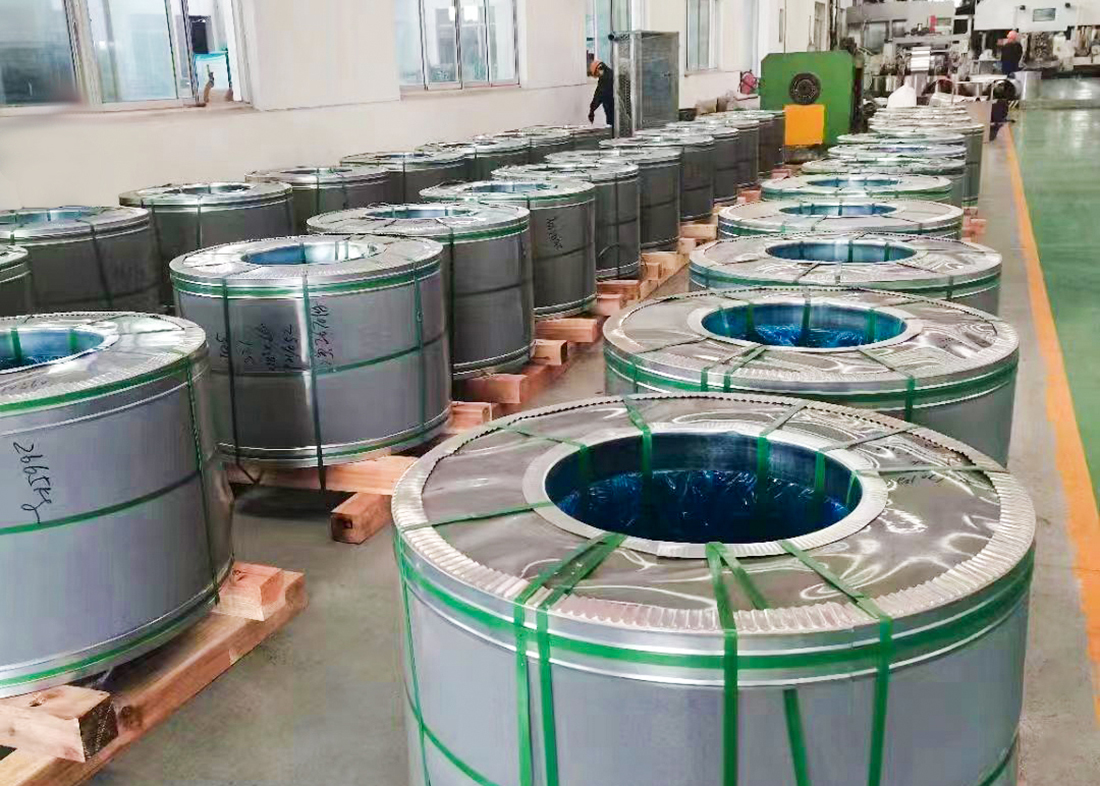
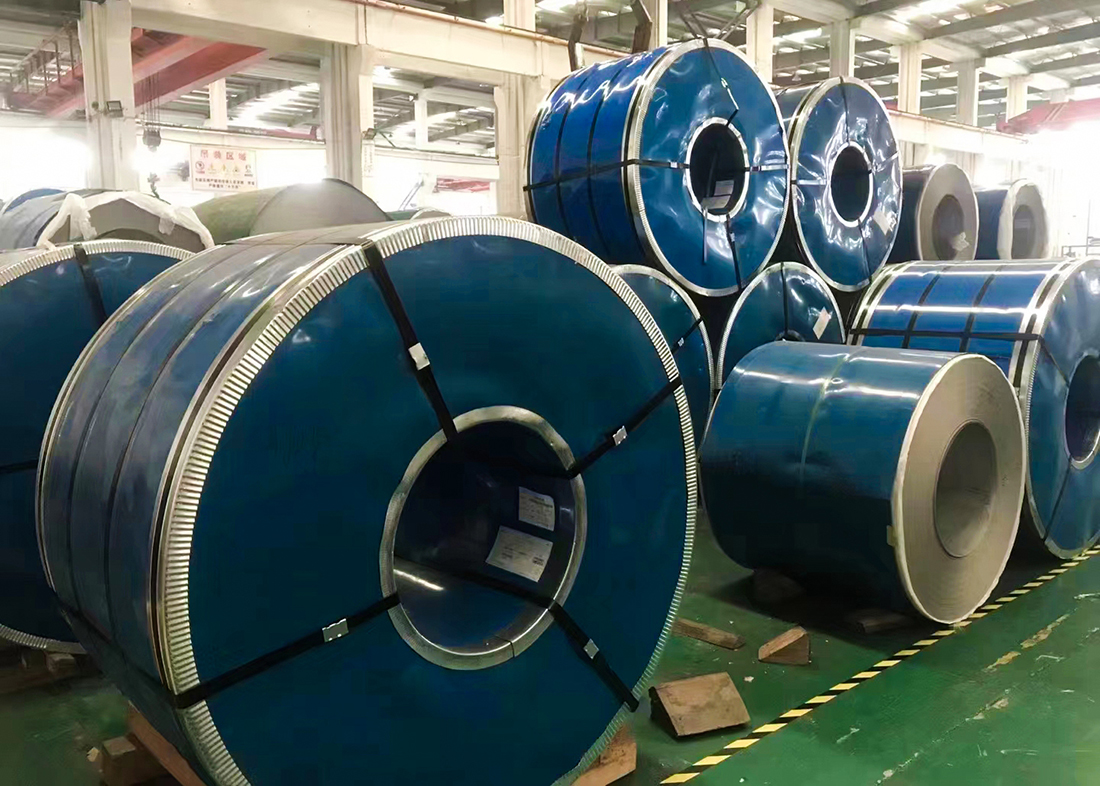
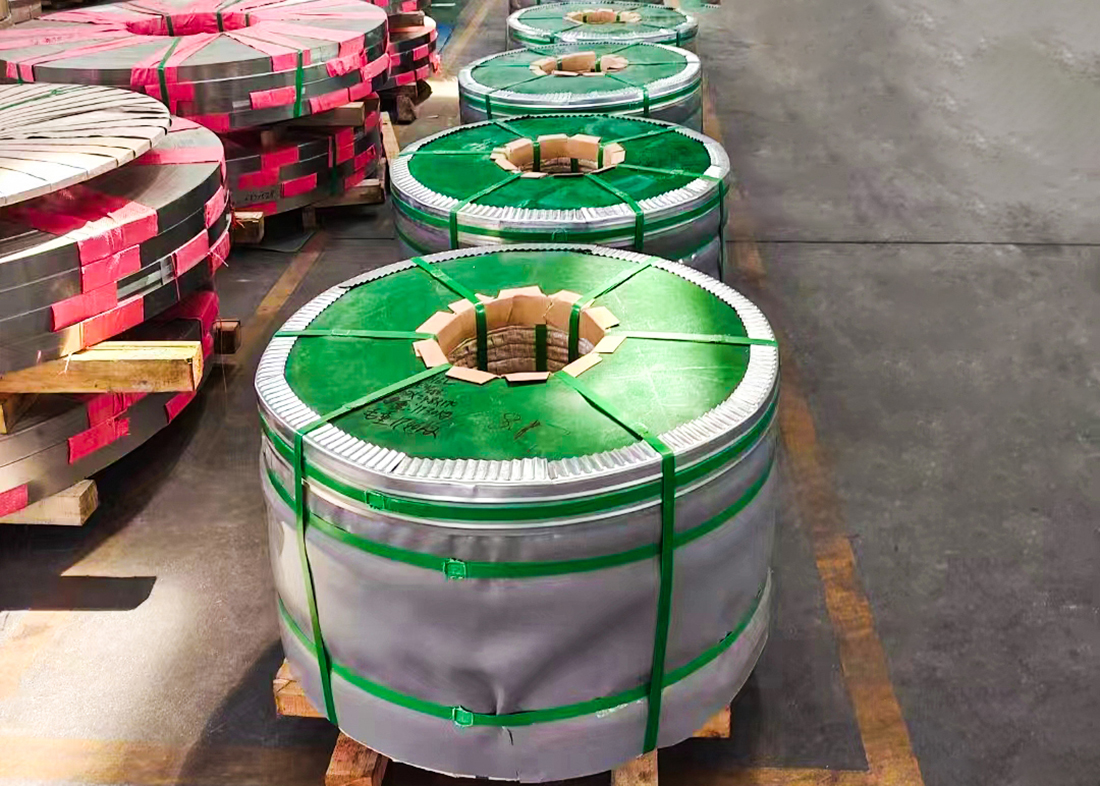
The overall goal of stainless steel coil storage control is to stabilize the storage environment, isolate corrosive media, and avoid condensation on the surface of the plate. By relying on environmental control, isolation protection, standardized stacking, and regular inspections, the risk of floating rust caused by chloride ions and water vapor adhesion is reduced, ensuring the surface quality of
- 10-192026
What is the effect of annealing treatment on the hardness, elongation, and internal stress of stainl
Annealing of stainless steel coils is a heat treatment process that generally changes the internal metallographic structure of the material through controlled heating, insulation, and slow cooling, in order to adjust mechanical properties and release residual internal stresses generated during the rolling process. There are corresponding differences in the effects of different annealing process se
 Jiangsu Lichao New Material Technology Co., Ltd.

 WeChat ID:jinjiayi0512

 Add WeChat
 Contact us
 The phone